
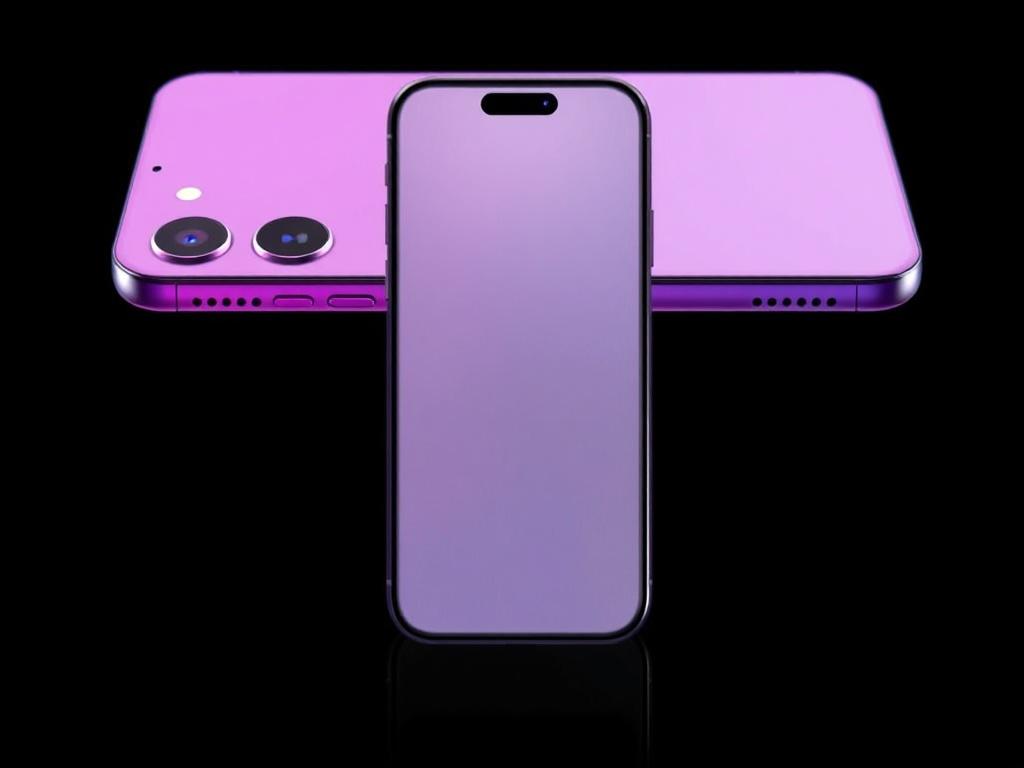
Rumors swirl every year about faster chips and sharper cameras, but a deeper transformation may be coming that changes how an iPhone looks and feels in your hand. The Next iPhone Could Look Completely Different — Here’s Why captures more than speculation: it’s about engineering trade-offs, supply-chain realities, and shifting user habits. I’ve handled countless prototypes and consumer phones over the years, and the hints I’ve seen suggest Apple is preparing to rethink more than color and bezel size. Read on to understand the forces pushing toward a genuinely new design language.
Market forces and product strategy pushing redesign
Apple doesn’t change the industrial design of the iPhone lightly; it times major shifts to match technical advances and to reset the product cycle. A dramatic redesign can revive demand, support new features that wouldn’t fit the old shell, and create a fresh premium tier that justifies higher margins. Competing manufacturers have also nudged the market: foldables, seamless glass backs, and absurdly thin bezels have reset expectations, forcing Apple to weigh radical options rather than incremental tweaks.
Another driver is lifecycle management. As components get smaller and new manufacturing techniques emerge, older layouts become inefficient. Consolidating parts or rethinking internal architecture can free space for larger batteries, better thermal design, or novel sensors, but those gains often require reimagining the exterior. For Apple, the decision balances hardware possibilities with the cost and complexity of educating millions of users and accessory makers.
Design cues you might notice first
If Apple pursues a visible redesign, expect changes where you interact with the phone daily: shape, screen edge treatment, and camera housing. A flatter or scalloped edge can alter pocket fit and grip; a curved back or matte finish changes how the device feels against your palm. Apple has experimented with ceramic, titanium, and textured glass—materials that deliver different tactile impressions and durability profiles, and which could lead to a visually distinct next generation.
Screen treatment is another obvious place for evolution. Under-display sensors could remove notches and cutouts entirely, producing a clean, uninterrupted front surface. Or Apple might adopt a smaller punch-hole or a dynamic island on steroids—elements that shift the perceived symmetry of the device and influence how apps and content are framed. These visual choices affect everything from case design to in-car mounts.
Cameras and sensors: a different face
The camera array has become an iPhone’s calling card, but future sensors could be rearranged or hidden to achieve a sleeker look. Computational imaging advances reduce reliance on large lenses, allowing more compact modules or innovative placements along the edge. Apple could also integrate sensor stacks—LiDAR, depth, and advanced autofocus—into a thinner bump or relocate them internally with new optical tricks.
Practical examples already exist in the market: periscope lenses and folded optics enable higher zoom without a massive protrusion. If Apple adopts similar solutions, the chunky camera island could shrink or change shape entirely, creating a back that reads as flat rather than dominated by bumps. That would be a visible departure people notice immediately, and it would change how photographers choose and carry the device.
Materials and form factor: lighter, flexible, or modular?
Titanium frames and carbon composites are appealing because they reduce weight while preserving strength, which improves daily comfort and durability. But more radical paths are possible: flexible displays or two-piece designs that hinge open for a larger canvas. Apple’s established supply chain and focus on reliability make such moves cautious, yet prototypes and patent filings point to serious exploration of flexible or hybrid form factors.
Modularity is another angle, though less probable for Apple’s product philosophy. Swappable camera modules or battery packs would dramatically change the external silhouette and accessory ecosystem. My hands-on with modular concepts from other makers revealed both promise and friction—users loved customization but balked at bulk and compatibility hurdles—so Apple would need a polished, simplified approach to win acceptance.
Technical drivers: display, battery, and silicon
Aesthetic redesigns often follow technical necessities. New displays with higher efficiency lower heat, freeing internal space and enabling slimmer profiles or larger batteries. Conversely, putting more powerful chips into a thinner chassis increases thermal demands, pushing engineers to redesign internal layouts and venting approaches, which in turn affects surface treatments and edge geometry.
Battery chemistry improvements could reduce pack thickness, giving designers room to relocate antennas, speakers, or camera modules for a more harmonious exterior. Conversely, a bigger battery to satisfy heavier workloads might demand a thicker body with rounded edges to remain comfortable. These technical trade-offs are invisible in press renders but dictate the contours you eventually hold.
What it means for accessories and users
A different-looking iPhone would ripple through the ecosystem: cases, mounts, wireless chargers, and docks would all need redesigns or new standards. That’s one reason Apple coordinates transitions carefully, often releasing new accessory guidelines and certification programs to smooth the change. For consumers, the short-term inconvenience of incompatible accessories is balanced by longer-term gains—better battery life, improved camera performance, or a device that fits your hand more naturally.
From my own experience testing phones, even modest shifts in thickness or camera placement change how you pocket and handle a device. People notice weight distribution and corner fit more than raw millimeter measurements. If Apple delivers a tangible improvement in usability or introduces features that feel truly new, many users will embrace a different look rather quickly.
How a redesign might roll out
Apple tends to phase in major changes: introduce material or minor form tweaks one year, follow with a broader redesign when supply chains and manufacturing yield improve. Expect a staged approach that lets third-party accessory makers catch up and gives enterprise buyers time to adapt. Leaks and patent filings will continue to provide clues, but the final product often refines or omits earlier ideas.
To see what’s plausible, look to recent introductions: subtle shape changes in a generation, new materials the next year, and a structural overhaul when internal components meaningfully change. That cadence preserves continuity for users while delivering occasional “wow” moments—precisely the balance Apple seems to favor.
| Current trend | Possible future change |
|---|---|
| Prominent camera island | Smaller or reshaped camera profile with folded optics |
| Notch or dynamic island | Under-display sensors for an uninterrupted screen |
| Glass and aluminum or stainless steel | Titanium, composite, or hybrid materials for lighter weight |
Design cycles in consumer tech are messy and iterative, influenced by materials science, user behavior, and economics as much as by pure aesthetics. The next iPhone’s appearance will reflect those forces converging, not just a designer’s whim. Keep an eye on component suppliers, patent filings, and small shifts in Apple’s accessory ecosystem for hints that a big visual change is coming.
