
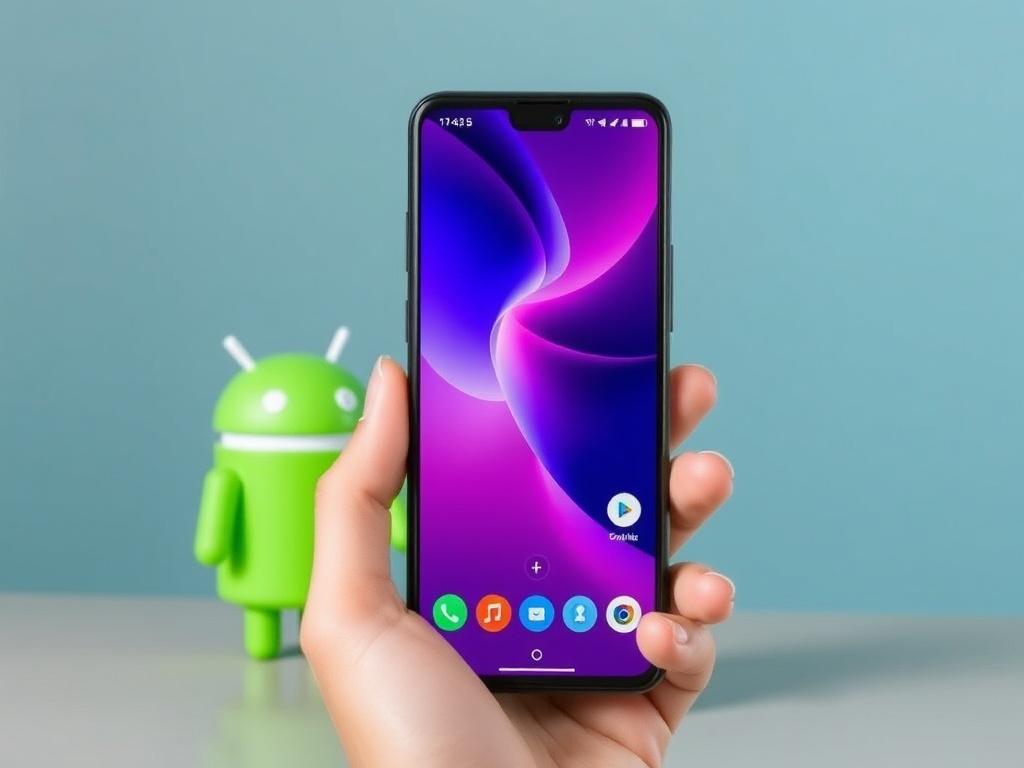
When you hear the phrase Android 2026: The Biggest Changes Coming to Your Smartphone, it might sound like a marketing tagline — but behind the headline sits a set of real shifts that will change how phones behave day to day. Over the next year or two the platform will emphasize on-device intelligence, tighter privacy controls, and deeper integration with other devices in your life. This article walks through the practical changes to expect, why they matter, and how to get the most out of them.
On-device AI that actually feels local
One of the clearest trends is moving large parts of artificial intelligence onto the phone itself. Instead of routing everything to the cloud, manufacturers and OS engineers are pushing smaller, optimized models to run on neural processing units inside your handset, which reduces latency and preserves privacy. In practice that means faster suggestions, better voice transcription without an internet connection, and smarter camera modes that adapt in real time.
I’ve used devices with on-device assistants and the difference is tangible: replies feel immediate, and tasks like summarizing a long web page or generating a quick photo edit happen without a spin-wait. Expect app builders to leverage local models for features that used to require a round-trip to servers — chat-style helpers, context-aware shortcuts, and richer text completion built into the keyboard.
Privacy becomes first-class, not an afterthought
Android has already taken steps with permission dashboards and scoped storage, but 2026 will likely see those protections deepen into the framework layer. Look for more granular permission states, clearer real-time indicators when sensors are in use, and broader use of hardware-backed attestation to verify whether an app is genuine. These changes will make it harder for malicious software to quietly siphon data and give users more meaningful choices about what apps can access.
On the authentication side, passkeys and FIDO2 standards are gaining traction, and that trend will accelerate. Replacing passwords with device-bound credentials reduces phishing risk and simplifies sign-in across apps and websites — you’ll use fewer passwords and rely more on biometric gating tied to secure hardware.
Battery life and performance — smarter, not just bigger
Raw performance gains are slowing because physics bite back at every process node. The smarter approach for 2026 is adaptive systems: the OS will orchestrate CPU, GPU, and NPUs more aggressively to match workload demands. That means peak performance when you need it and deep savings when you don’t, aided by machine learning that predicts usage patterns and preloads or pauses tasks.
Charging and thermal management will also benefit from software-level improvements. Expect more nuanced profiles that prioritize longevity over fast charging by default, and better performance throttling that keeps the phone snappy without cooking your lap. For users, the net result should be fewer midday battery panics and a device that feels consistent across long days.
Form factors and multitasking rethought
Foldables and devices with larger, variable displays will push Android to refine multi-window workflows and continuity between screen states. Apps are becoming more flexible, shifting layouts smoothly when a device folds or unfolds, and developers are experimenting with sticky sidebars, adaptive tool palettes, and multi-pane mail or chat views. Phones will increasingly behave like pocket-sized desktops when you need them to.
Beyond screens, expect wider adoption of ultra-wideband, richer spatial audio profiles, and broader satellite messaging support for emergencies. These connective features make phones more resilient and more capable as hubs for nearby devices — your watch, earbuds, and laptop will cooperate more seamlessly than they do today.
The app ecosystem: web-first, install-friendly, and regulated
PWA improvements and progressive web apps continue to blur the line between installed apps and websites, and Android will give developers better tools to ship performant, installable web experiences. At the same time, regulatory pressure and vendor policies are nudging the Play Store model toward more competition, which could mean easier side-loading and alternative app stores in some markets — with clearer safety guidelines to protect users.
Developers will also be encouraged to adopt modern packaging and verification, so apps update more reliably and take advantage of new runtime hooks like on-device AI. For users this will produce a healthier app marketplace: more choices, faster updates, and apps that behave predictably across different hardware.
| Area | Typical 2024 experience | What to expect in 2026 |
|---|---|---|
| AI | Cloud-heavy, laggy for some tasks | Local models for low-latency assistants and editing |
| Privacy | Permission prompts and dashboards | Hardware attestation and finer-grained controls |
| Multitasking | Single or split screens | Adaptive UIs for foldables and multi-pane apps |
Quick tips to prepare your phone now
You don’t have to wait for 2026 to benefit — a few settings and habits pay off immediately. Keep your phone updated, enable privacy dashboards to review permissions regularly, and if your device supports on-device AI features, try turning them on for offline tasks. Back up important data and learn the basics of passkeys so you can transition away from passwords when services offer them.
Looking ahead
The combination of on-device intelligence, hardened privacy, and more flexible hardware will make phones feel fresher than a typical annual OS bump. Expect subtler, meaningful changes that reshape how you type, photograph, and secure your data, rather than a single headline feature. If you care about battery life, privacy, and a smoother multitasking experience, 2026 will be a year where Android begins to deliver those benefits in everyday ways.
